

Sensorineural Hearing Loss:
What It Is, Causes, Symptoms & Treatment
Sensorineural hearing loss (SNHL) is the most common form of hearing impairment — affecting millions of people worldwide. While this type of hearing loss is typically permanent, modern technology makes it incredibly manageable.
Learn more about this type of hearing loss, including causes, symptoms, and treatments that can change your life.
What Is Sensorineural Hearing Loss?
Sensorineural hearing loss occurs when there is damage to the delicate structures of the inner ear - specifically the tiny hair cells in the cochlea - or the auditory nerve that sends sound signals to your brain. Think of your ear as a high-tech microphone - if the internal wiring or the sensitive receiver gets damaged, the signal becomes weak or distorted.
Sensorineural is the most prevalent type of hearing loss, accounting for about 90% of all cases. Unlike "conductive" hearing loss, which is usually a temporary blockage in the outer or middle ear, sensorineural loss is a result of the inner ear not being able to process sound correctly.
While sensorineural hearing loss is usually permanent, struggling to hear isn’t something you simply have to "live with" - there are highly effective ways to improve your ability to hear and restore your quality of life.
Don’t wait for the silence.
Common Causes of Sensorineural Hearing Loss
Understanding sensorineural hearing loss causes is the first step toward managing it.
Damage to the inner ear can happen in an instant, or develop so slowly you don't notice it for years.
The most frequent reasons for SNHL include:
- Aging: Known medically as presbycusis, aging is the most common cause. Over time, the hair cells in the cochlea naturally lose their sensitivity.
- Noise exposure: Repeated exposure to loud environments - like construction sites, loud concerts, high-volume headphones, and even lawn and kitchen equipment — can damage hearing suddenly or slowly over time.
- Genetics: Hearing loss can be inherited, which means family history can affect your hearing health.
- Illnesses and infections: Certain viruses (like shingles, mumps, or measles) and diseases (such as Ménière's) can impact inner ear function.
- Physical trauma: Head injuries or sudden, extreme pressure changes can damage the auditory nerve.
- Ototoxic medications: Some medications can damage the inner ear, such as certain antibiotics and some life-saving drugs (chemotherapy). Talk with your doctor about all the medications you take if you have concerns.
The cause of your hearing loss influences treatment, so it’s important to have a professional hearing exam with a hearing care specialist. If you experience sudden hearing loss, see a doctor or hearing specialist immediately.

Sensorineural Hearing Loss Symptoms
How does SNHL affect real life? It’s rarely about total silence. Instead, it’s often a lack of clarity. You might feel like you can hear people talking, but you can’t quite make out the words. It can be frustrating and isolating, but getting treatment sooner than later can help you take back control and hear your best.
Common sensorineural hearing loss symptoms include:
- Muffled sound: It may sound like people are mumbling or talking through a wall.
- Trouble with background noise: You may find it hard to follow and respond appropriately to conversations in a busy restaurant or other social gathering.
- High-pitch hurdles: You may struggle to hear the voices of women and children most of all, and perhaps the chirping of birds every morning.
- Turning up the volume: You may find yourself turning up the TV or radio much higher than others find comfortable.
- Tinnitus: A persistent ringing, buzzing, or hissing sound in one or both ears could mean you have SNHL (not always a symptom of hearing loss).
If you find yourself asking “huh” or “what,” or nodding along because you’re embarrassed to ask someone to repeat themselves, book a hearing screening and stay one step ahead of your hearing health.
How Is Sensorineural Hearing Loss Diagnosed?
Finding out exactly what’s going on with your hearing is simple and painless, and very educational. It can help you better understand how your ears and brain work together to process sound, and exactly which sounds you’re struggling with the most.
- When you visit a hearing care professional, they’ll examine your ears and conduct a hearing test. You’ll wear a pair of headphones and listen to a series of tones at different pitches and volumes and acknowledge when you hear the sounds.
- The results will be shown on a graph - called an audiogram - which shows exactly which sound frequencies you’re missing.
This exam and the information collected allows your specialist to determine the severity of your hearing loss and offer solutions tailored specifically to your ears and needs.

Sensorineural Hearing Loss Treatment Options
Because the damage in SNHL is neurological or structural within the inner ear, it cannot be reversed with surgery or medicine. However, sensorineural hearing loss treatments have evolved significantly, helping millions of people keep up with conversations, stay involved in their hobbies, and stay connected to the world around them.
Solutions that can help you hear better include:
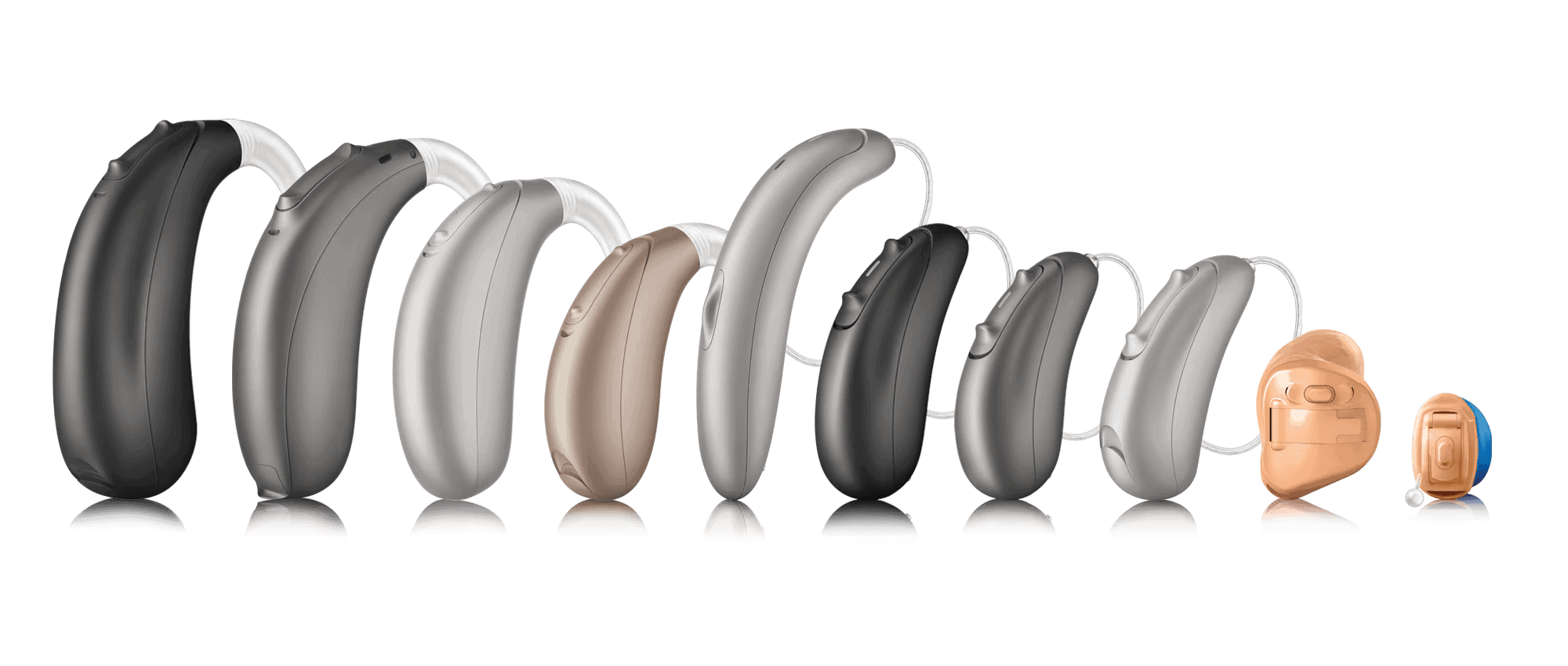
Hearing Aids for Sensorineural Hearing Loss
The most important benefit hearing aids can deliver is better well-being and overall health. The sooner you protect the hearing you have left, the easier it will be for your brain to relearn how to process sounds and keep you active and engaged in the world around you.
- Sharpen speech: They can distinguish between a friend’s voice and the hum of an air conditioner, bringing the voice to the forefront.
- Disappear inside or behind your ear: Hearing aids today are so extremely small and powerful, making better hearing easier and more discreet than ever
- Reduce listening fatigue: When you can hear clearly, your brain doesn't have to work overtime to "fill in the gaps," leaving you with more energy at the end of the day.
- Seamless integration: Many devices now feature Bluetooth connectivity, allowing you to stream phone calls, music, and TV audio directly into your ears.
Can Sensorineural Hearing Loss Be Prevented?
While you can’t stop the clock on aging or change your genetics, you can take powerful steps to protect your hearing day to day.
- Use ear protection: Wear earplugs or earmuffs around loud noises, such as a noisy work environment, lawn or construction equipment, concerts, and motorcycles. Even some kitchen appliances like blenders can damage hearing over time. Remember, loud noise exposure is a common cause of permanent hearing loss.
- The 60/60 rule: When using headphones, keep the volume below 60% and limit use to 60 minutes at a time, then take a break.
- Regular check-ups: Just like the dentist or the eye doctor, an annual hearing test can catch changes before they become major problems, making them easier to treat.
When Should You See a Hearing Specialist?
Hearing loss often happens very slowly. It’s easy to ignore until you realize you’re depressed, not participating in conversations, avoiding social situations, or feeling isolated.
You should book an appointment if:
- You experience sudden hearing loss (this is a medical emergency).
- You feel consistently fatigued after social interactions.
- Family members have commented on the volume of your television.
- You feel like you can hear but not understand, so you’re constantly asking people to repeat themselves.
You have the power to take control, so don't let another year of muffled memories go by. Better hearing is within reach and starts with a single, simple test.
Ready to hear what you’ve been missing?
Frequently Asked Questions
Sources:
1 Cleveland Clinc: Sensorineural Hearing Loss (November 2024): my.clevelandclinic.org.
2 ENT & Allergy Associates: Sensorineural Hearing Loss: Signs, Symptoms, Causes, and Treatment (March 2025): entandallergy.com.
3 Johns Hopkins Medicine: The Hidden Risks of Hearing Loss (Accessed 2026): hopkinsmedicine.org.