
July 13, 2026
/
Matt Dearing
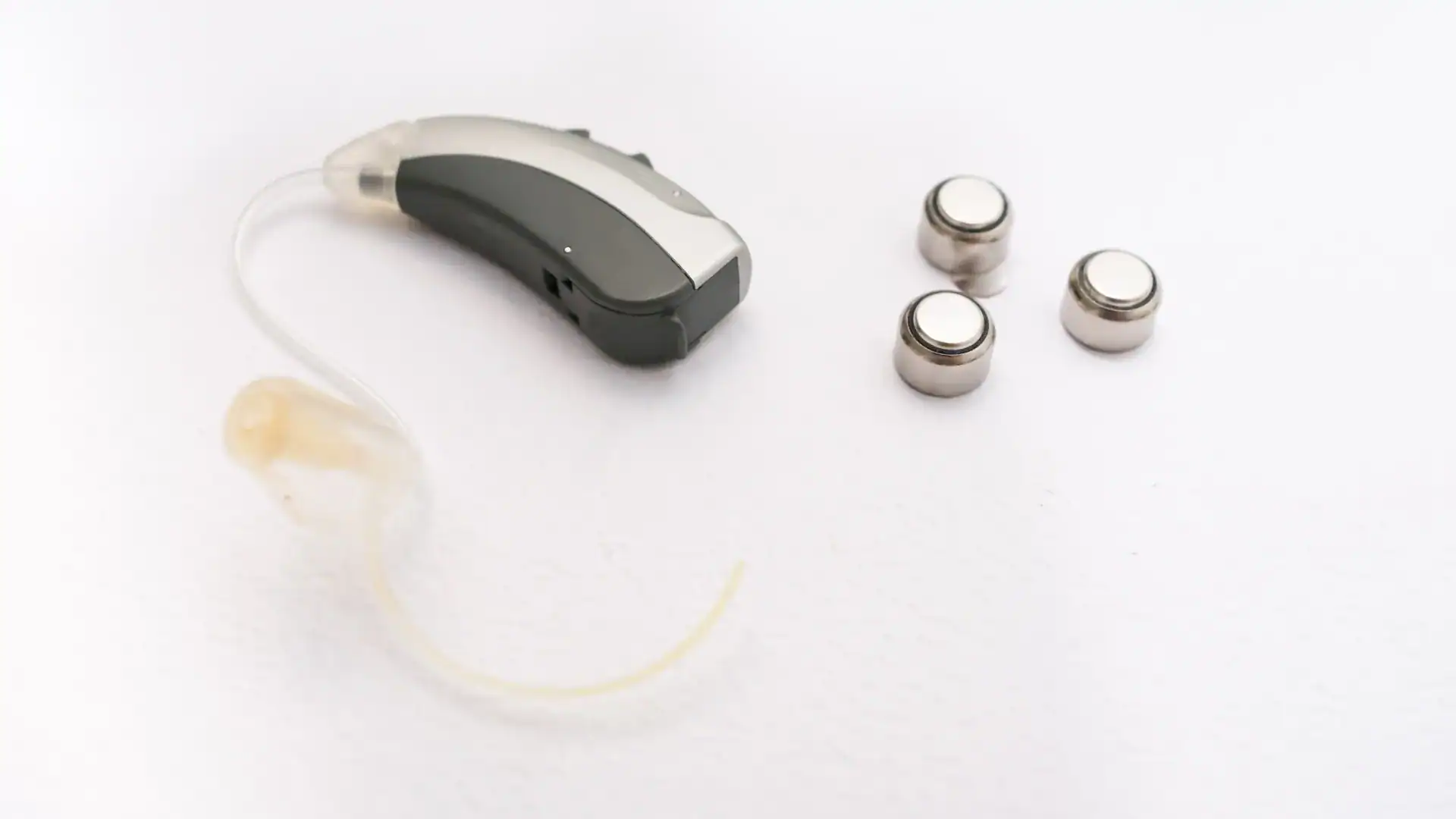
The tiny cells that power hearing devices require precise care to ensure uninterrupted sound and optimal device performance. Many individuals overlook the subtle nuances of managing these batteries, which often leads to premature drainage or avoidable damage. Proper management extends the lifespan of the power cells and protects the delicate internal components of the hearing technology itself.
Implementing a few deliberate adjustments in daily routines prevents common mishaps and guarantees a reliable hearing experience. Understanding the exact mechanics of battery storage, activation, and disposal elevates the user experience from frustrating to convenient.
Activate Power Cells with Patience
Air-activation technology requires a brief pause before insertion to achieve maximum energy capacity. Zinc-air batteries utilize oxygen to trigger the chemical reaction that generates electrical power for the device. Removing the adhesive tab starts this process, but the cell needs full exposure to the room air for at least one minute.
Rushing this step traps the chemical process in an incomplete state, which drastically shortens the operational lifespan of the cell. Allowing the battery to breathe fully ensures high voltage delivery and prevents unexpected power drops during important daily conversations.
Store Tiny Cells in Dry Environments
Extreme temperatures and moisture pose significant threats to the structural integrity of miniature power sources. Many people mistakenly store their spare packs in bathroom cabinets or refrigerators, which exposes the cells to damaging humidity or condensation.
A cool, dark drawer inside a bedroom or living space provides the ideal climate for maintaining optimal shelf life. Moisture corrodes the metal casing, while extreme cold saps the voltage potential before the cell even enters the device. Keeping the packs in their original packaging prevents accidental contact with loose coins or keys.
Keep Metals Segregated from Power
Loose batteries frequently interact with common metal items when individuals carry them loosely in pockets or purses. Contact with keys, coins, or paperclips creates a direct electrical circuit that drains the power instantly and generates excessive heat. This accidental discharge renders the cell useless before insertion and can potentially cause a small rupture.
Utilizing a dedicated plastic carrying case keeps the contacts isolated and shields the cells from physical puncture. Organized storage eliminates the frustration of reaching for a spare power source only to find it completely drained.
Avoid Trapping Moisture Overnight
Leaving the battery door tightly sealed during sleep traps normal daily humidity inside the device compartment. Condensation accumulates on the metal contacts, which triggers rust formation and degrades the electrical connection over time. Opening the battery drawer every night allows fresh air to circulate through the chamber and evaporate residual moisture.
This simple action relieves mechanical tension on the internal springs and extends the longevity of the entire apparatus. Taking the cell out completely during extended periods of non-use prevents catastrophic internal leakage from destroying delicate circuits.
Never Throw Expired Cells in Trash
Disposing of depleted power units in regular household garbage contributes to environmental contamination and wastes recyclable metals. Zinc-air components require specialized processing to reclaim materials and prevent chemicals from seeping into local soil systems.
Many local electronic retailers and community centers offer designated collection bins for safe management of small electronics. Keeping a small container at home for spent cells simplifies the recycling routine until a trip to the center becomes convenient. Responsible disposal completes the lifecycle of the technology without harming the surrounding ecosystem.
Partner with Hearing Health Professionals for Support
Consistent clarity requires more than just managing power sources daily. Over time, routine maintenance assessments and professional cleanings prevent minor issues from turning into costly system failures. Our team at My Hearing Centers possesses the precise tools to test voltage accuracy and clean corroded contacts safely, without damaging the delicate housing of your device.
Scheduling a routine checkup ensures your entire system functions at peak efficiency throughout the year. If you are experiencing changes in your hearing or need reliable device service, this practice can help. Please contact the clinic today to book your comprehensive device tune-up.
View Our Blog